Your heart beats somewhere between 50,000 and 100,000 times a day, and the rate it settles into when you are completely at rest tells you a great deal about how well your cardiovascular system is working. Your resting heart rate is one of the simplest measurements in all of health — you need nothing more than a finger and a clock — yet few numbers are so closely tied to your long-term health and longevity.
At CAROL, we are guided by science, so it is worth understanding what this number actually means, what counts as a healthy range, and how the right kind of training can bring it down. Here is what the evidence says.
What is a resting heart rate, and what is normal?
Your resting heart rate (RHR) is the number of times your heart beats per minute when you are awake, calm and have not recently exerted yourself. For most healthy adults it sits between 60 and 100 beats per minute (bpm), although well-trained endurance athletes often record figures in the 40s.
A lower resting figure generally reflects a stronger, more efficient heart: one that pumps more blood with each beat and so needs fewer beats to do the same job. Within the normal range, lower is usually better — but the relationship is not perfectly linear, and context matters.
Why your resting heart rate predicts longevity
Resting heart rate is not just a fitness curiosity; it is a recognised marker of mortality risk. According to PubMed, a meta-analysis of 46 prospective studies following more than 1.2 million people found that every 10 bpm increase in resting heart rate was associated with a 9% higher risk of death from any cause and an 8% higher risk of cardiovascular death (Zhang et al., 2016). People with a resting heart rate above 80 bpm carried a 45% higher risk of all-cause mortality than those in the lowest category.
The signal appears to strengthen with age. A separate cohort of adults aged 40 and over found that a higher resting heart rate independently predicted death and cardiovascular events in those aged 60 and above, but not in younger participants (Li et al., 2016) — a reminder that this number deserves your attention as the years pass.
Does a lower resting heart rate always mean better health?
Mostly, but not always — and this is where honesty matters. A naturally low resting heart rate in a fit, healthy adult is a good sign. An unusually low rate accompanied by dizziness, breathlessness or fatigue can point to an underlying problem and is worth raising with a doctor. The protective association is clearest within the broad normal range rather than at the very extremes.
Individual variation is real. Genetics, age, medication, caffeine, stress, sleep and even the time of day all shift the number. That is why your own trend over weeks and months tells you far more than a single reading, or a comparison with someone else.
How exercise lowers your resting heart rate
The encouraging news is that resting heart rate is highly trainable. According to PubMed, a systematic review of 191 interventional studies concluded that regular exercise reduces resting heart rate, with endurance training producing the most consistent and significant reductions across both sexes (Reimers et al., 2018). Tellingly, the people who started with the highest resting heart rates saw the largest improvements — so if your number is currently high, you have the most to gain.
The effect is dose-dependent. A dose-response meta-analysis of randomised trials found that each additional 30 minutes per week of aerobic exercise lowered resting heart rate by roughly 1 bpm, alongside meaningful reductions in blood pressure (Jabbarzadeh Ganjeh et al., 2023). Small weekly changes accumulate into a measurably calmer, more efficient heart over a training programme.
Where VO₂max and REHIT fit in
Resting heart rate is closely tied to your cardiorespiratory fitness — and fitness is the bigger longevity story. VO₂max, or maximal oxygen uptake, measures the most oxygen your body can use during intense exercise, and it is one of the strongest independent predictors of all-cause and disease-specific mortality we have (Strasser & Burtscher, 2018). The evidence is robust enough that the American Heart Association has argued cardiorespiratory fitness should be treated as a clinical vital sign (Harber et al., 2017).
Higher-intensity training is an efficient way to build that fitness. A randomised controlled trial in cardiac-rehabilitation patients found that high-intensity interval training improved VO₂max and measures of autonomic nervous-system balance — the same machinery that governs your resting heart rate (Carrasco-Poyatos et al., 2023). CAROL’s signature five-minute REHIT (Reduced Exertion High-Intensity Interval Training) workout, built around two 20-second all-out sprints, is designed to raise VO₂max with a minimal time commitment. As your fitness rises, a lower resting heart rate tends to follow.
How to measure your resting heart rate properly
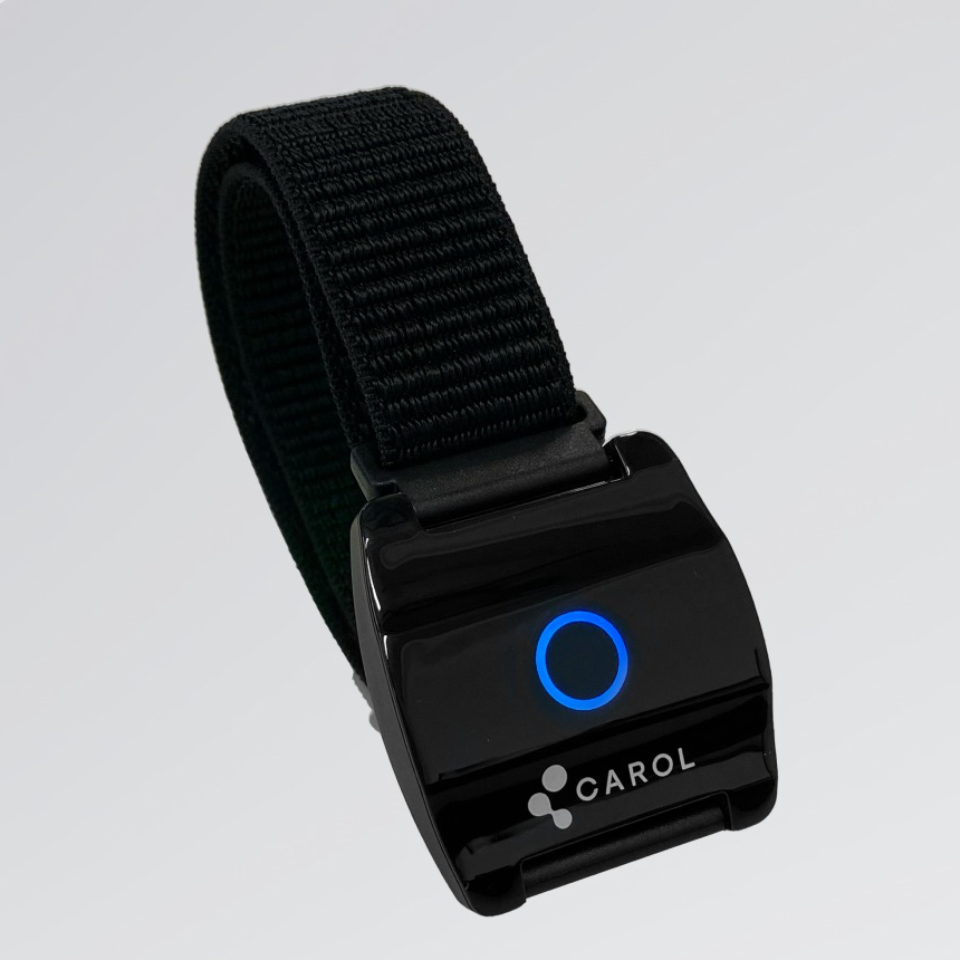
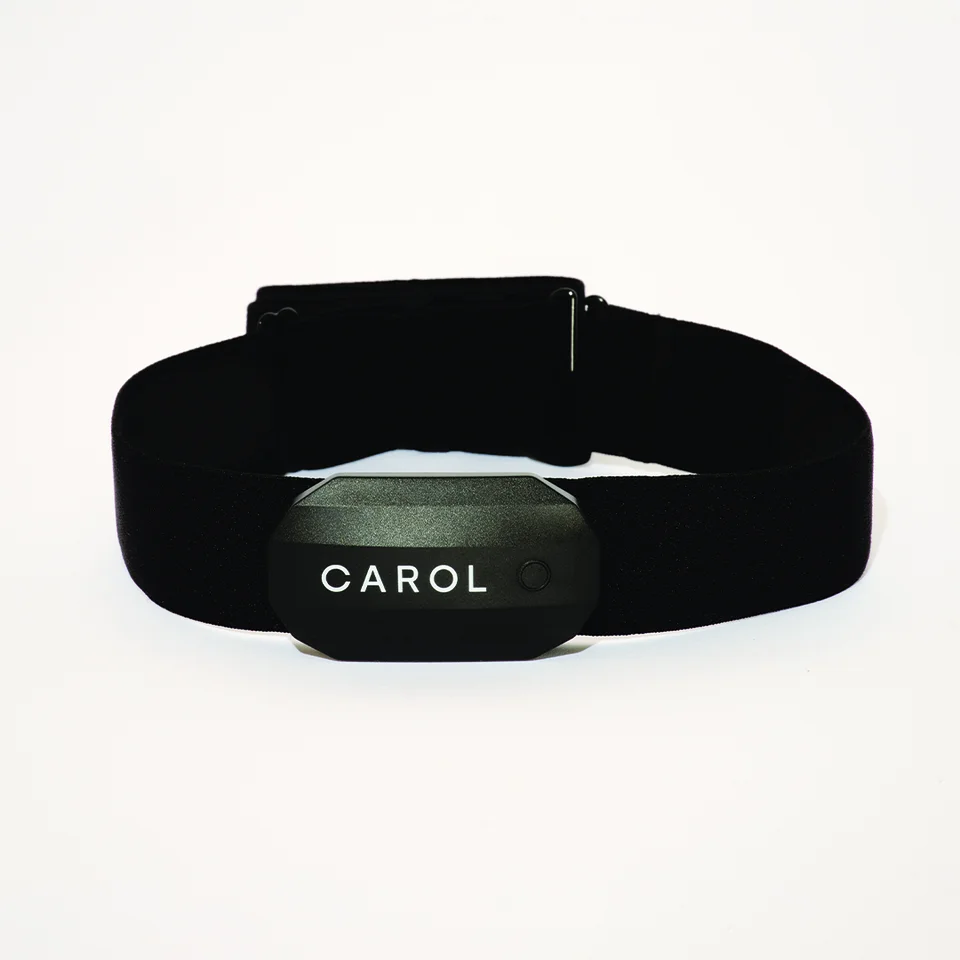
For a reliable figure, measure first thing in the morning, before you get out of bed and before any caffeine. Count your pulse for 30 seconds and double it, or let a chest strap or wearable record it overnight. Take readings on several mornings and use the average rather than fixating on any single day.
Then track the trend over time. A resting heart rate that drifts downward over a training block is a quiet, dependable sign that your cardiovascular system is adapting — often well before the changes show up on the scales or in the mirror.
The bottom line
Your resting heart rate is a free, daily window into your cardiovascular health and a recognised predictor of longevity: across large populations, higher rates track with higher mortality risk, particularly as you age. It is also one of the most trainable numbers you have. Consistent aerobic exercise — and fitness-building work such as REHIT that raises your VO₂max — can bring it down over time. Measure it properly, watch your own trend, and let the direction of travel, not a single reading, guide you.