
Inflammation has become one of the most talked-about words in health, and for good reason. Short bursts of it help you heal. But a low, constant hum of it — the kind that lingers for years without any obvious injury — is now linked to heart disease, type 2 diabetes and much of the slow decline we associate with ageing. So it is worth asking a practical question: does exercise reduce inflammation, and if so, how? The evidence is encouraging, and the mechanism is more elegant than you might expect.
Does exercise reduce inflammation?
For chronic, low-grade inflammation, the answer is yes. It helps first to separate two very different things. The soreness and temporary swelling after a hard session is acute inflammation — a normal, useful part of repair. The concern for long-term health is chronic systemic inflammation: the persistent, background kind, usually measured through markers in the blood such as C-reactive protein (CRP), interleukin-6 (IL-6) and tumour necrosis factor-alpha (TNF-α).
When researchers pooled data from thousands of participants across controlled trials, exercise training produced a meaningful reduction in CRP, one of the most widely used markers of systemic inflammation (Fedewa et al., 2017). Notably, that fall held even in people who did not lose weight — so it is not simply a by-product of shedding fat.
In practical terms, that matters: a lower CRP is itself associated with lower cardiovascular risk, which is part of why regular activity is so often described as medicine for the whole body rather than just the heart or the waistline.
Why your muscles are an anti-inflammatory organ
The most striking part of the story is where the effect comes from. Contracting muscle is not only moving your limbs; it is releasing signalling molecules called myokines into the bloodstream. Skeletal muscle behaves, in effect, as an endocrine organ in its own right (Pedersen & Febbraio, 2008).
Chief among these signals is IL-6, which can rise up to a hundredfold during exercise (Pedersen & Febbraio, 2008). This sounds counter-intuitive, because IL-6 is often labelled pro-inflammatory. But when it is released from working muscle — rather than from fat tissue in a resting, unhealthy state — it triggers a wave of genuinely anti-inflammatory signals, including IL-10 and an IL-1 receptor antagonist, that help dampen inflammation across the body (Gleeson et al., 2011). Each session, in effect, sends an anti-inflammatory message outward from your muscles.
A single session versus the long-term pattern
Straight after exercise, some inflammatory markers briefly rise as part of repair and adaptation. The effect that matters, though, builds over weeks and months. Regular training lowers your resting, baseline level of inflammation — partly through the repeated myokine response, and partly because consistent exercise reduces visceral fat, itself a major source of the inflammatory signals you are trying to quieten (Gleeson et al., 2011).
This is why consistency beats the occasional heroic effort. One punishing session will not reset your inflammatory profile; a sustainable habit, repeated, gradually does.
How often is often enough to matter? The honest answer is that the benefit accrues with a regular weekly rhythm rather than one big block, so spreading sessions through the week — and simply not letting long stretches of inactivity build up — is the goal.
Does the type of exercise matter?
Both aerobic and resistance training have been shown to lower inflammatory markers, so the best choice is largely the one you will keep doing. What drives the anti-inflammatory myokine response is the amount of muscle you recruit and how hard it works (Pedersen & Febbraio, 2008).
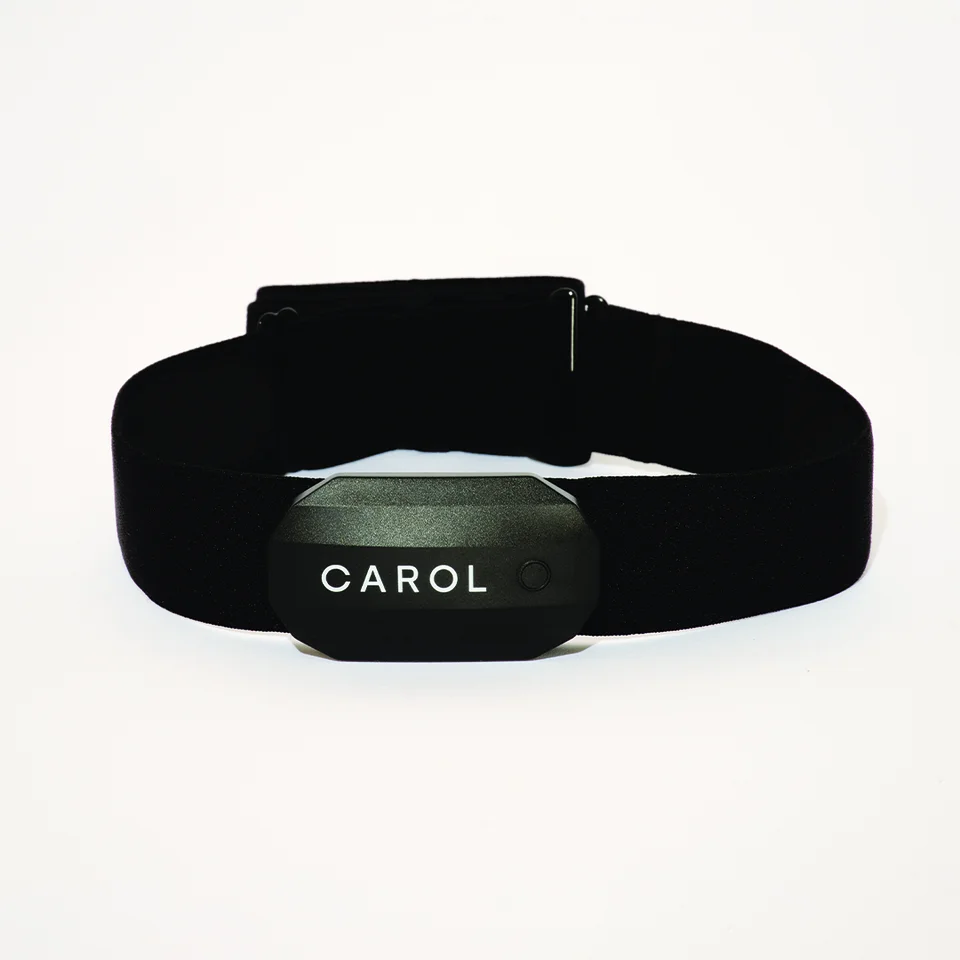
That is relevant to short, intense formats. REHIT — reduced-exertion high-intensity interval training, the protocol CAROL is built around, using two 20-second all-out sprints inside a short session — recruits large muscle groups at high intensity, which is exactly the stimulus that provokes myokine release. It offers a time-efficient way to give your muscles that anti-inflammatory work without long sessions. The underlying principle is simple: engage a lot of muscle, hard, and do it regularly.
Inflammation, ageing and longevity
This is where the topic connects to healthspan. Scientists use the term “inflammaging” to describe the chronic, low-grade inflammation that tends to creep up with age and helps drive many age-related conditions. A recent systematic review and meta-analysis (2024) found that a lifelong pattern of exercise is associated with lower low-grade inflammation than a sedentary life. And in older adults specifically, an umbrella review of the evidence (2025) links physical activity to improvements in inflammatory markers including IL-6, CRP and TNF-α.
There is a familiar thread here for anyone who follows CAROL’s work: the same training that calms inflammation also builds your VO₂max, or maximal oxygen uptake — the maximum amount of oxygen your body can use during intense exercise, and one of the strongest single predictors of long-term health. Lowering inflammation and raising fitness are two sides of the same coin.
A note on nuance
A few honest caveats. Acute, unaccustomed or very prolonged exercise can transiently raise inflammatory markers before the net benefit settles in — this is normal, and part of how the body adapts and grows stronger. Overreaching with too much volume and too little recovery can push inflammation the wrong way, which is one more argument for a sustainable, repeatable dose rather than sporadic extremes. Responses also vary between individuals. The pattern that helps is consistent, moderate-to-vigorous activity you can maintain — not a single, punishing effort. If you are managing a diagnosed inflammatory condition, treat exercise as a complement to your medical care, not a replacement for it.
The bottom line
Does exercise reduce inflammation? For the chronic, low-grade kind that quietly undermines long-term health, yes. Your muscles release anti-inflammatory signals every time they work hard, regular training lowers baseline markers such as CRP, and the habit — sustained over months and years — helps counter the “inflammaging” that comes with getting older. You do not need to punish yourself. You need to move enough muscle, often enough, to keep the signal switched on.