Two people turn 50 on the same day. One has the arteries, lung function and muscle of someone a decade younger; the other is already carrying the physiology of a 60-year-old. Chronological age cannot tell them apart. Biological age is the attempt to do exactly that — to measure how far your body has actually travelled, rather than how long you have been alive.
It is a genuinely useful idea, and it has become a crowded marketplace. Here is what the evidence supports, what it does not, and where your cardiorespiratory fitness fits in.
What is biological age?
Biological age is an estimate of the wear your tissues have accumulated, expressed in years so it can be set against the date on your birth certificate. If your biological age comes out below your chronological age, you are ageing more slowly than the calendar suggests. Above it, and you are ageing faster.
The concept earns its keep because it predicts outcomes that chronological age alone does not. A meta-analysis pooling multiple cohorts found that DNA methylation-based measures of biological age predicted time to death independently of chronological age and standard risk factors (Chen et al., 2016). Later measures sharpened this considerably: DNAm PhenoAge outperformed earlier clocks for all-cause mortality, cancers, healthspan and physical functioning (Levine et al., 2018).
How biological age is measured
Most credible estimates are built on DNA methylation — chemical tags that accumulate on your DNA in patterns that shift predictably across the lifespan. Researchers train an algorithm, an “epigenetic clock”, to read those patterns and return an age.
They fall into two families, and the distinction matters more than the marketing usually admits.
- Clocks that estimate accumulated age. Horvath’s original clock, PhenoAge and GrimAge all belong here. They return a number in years — an odometer reading.
- Clocks that estimate the rate of ageing. DunedinPACE is the leading example, trained on two decades of longitudinal change across 19 organ-system biomarkers within a single birth cohort. It reports years of biological change per calendar year: a speedometer rather than an odometer (Belsky et al., 2022).
Blood biomarker panels and functional measures — grip strength, gait speed, VO₂max — are also used, sometimes blended into composite scores. They are cruder instruments, but far cheaper, easier to repeat, and considerably harder to game.
Does cardiorespiratory fitness track biological age?
This is where the research becomes relevant to anyone who trains.
Researchers analysed 144 men aged 65 to 72 in the WASEDA’S Health Study, setting their cardiorespiratory fitness against DunedinPACE. Higher VO₂peak was associated with a slower pace of epigenetic ageing, and the association held after adjusting for age, smoking status and drinking status. They also identified a candidate threshold — a VO₂peak of 26.2 mL/kg/min — above which participants were more likely to fall into the slower-ageing group (Tanisawa et al., 2025).
Be honest about the size of this. The correlations were modest, around −0.17, and the analysis was cross-sectional in a single population of older Japanese men. It establishes association, not cause. But it sits inside a consistent wider picture: in the Health and Retirement Study, moderate-to-vigorous physical activity tracked with slower epigenetic ageing across GrimAge, PhenoAge and DunedinPACE, with sustained activity over years the strongest predictor of all (Ammous et al., 2025).
It is worth remembering that VO₂max — or maximal oxygen uptake, the most oxygen your body can use during intense exercise — already carries one of the strongest relationships with mortality in exercise science. Across 122,007 adults undergoing treadmill testing, fitness was inversely associated with all-cause mortality with no observed upper limit of benefit (Mandsager et al., 2018). Biological age research is, in part, catching up with what the survival data has been saying for years.
Can training actually move the clock?
Association studies cannot tell you whether improving your fitness changes your biological age. For that you need an intervention.
A pilot trial put 42 adults aged 35 to 65 through six months of cycling-based endurance training; 38 completed the study and 33 met the adherence threshold. VO₂max rose by 20%. Measured against their expected trajectory, participants’ GrimAge fell by 7.44 months — and the size of that shift tracked the improvement in VO₂max, not the change in body composition (Van Damme et al., 2026).
That last detail deserves attention. It was the fitness gain that moved the clock, not the weight loss.
Two caveats belong alongside it. This was a small, unblinded pilot study. And a large share of the GrimAge movement correlated with fluctuations in white blood cell composition, a reminder that these clocks read immune state as well as ageing. The finding is encouraging rather than settled.
How much should you trust a biological age test?
Less than the precision of the number implies.
When researchers ran the same sample twice through six prominent epigenetic clocks, technical noise alone produced deviations of up to nine years between replicates. Retraining the clocks on principal components brought most replicate pairs within 1.5 years (Higgins-Chen et al., 2022) — but most consumer tests do not disclose which version of a clock they use, or their test-retest reliability at all.
The practical implication is straightforward. Treat a single biological age reading as a rough signal rather than a verdict. If a test reports that you are three years younger than your birth certificate, that difference may sit comfortably inside its own measurement error. Repeat testing on the same platform, spaced well apart, will tell you more than one dramatic number ever will.
What this means for how you train
The evidence does not support chasing a score on a test. It does support training the thing that score appears to be reading.
Across every study above, the signal points in the same direction: cardiorespiratory fitness. It is the variable that correlated with a slower pace of ageing, the one that shifted the clock when training improved it, and the one with the deepest mortality evidence behind it. If you want to influence how you age rather than simply how long you have lived, raising your VO₂max is the best-evidenced lever available to you.
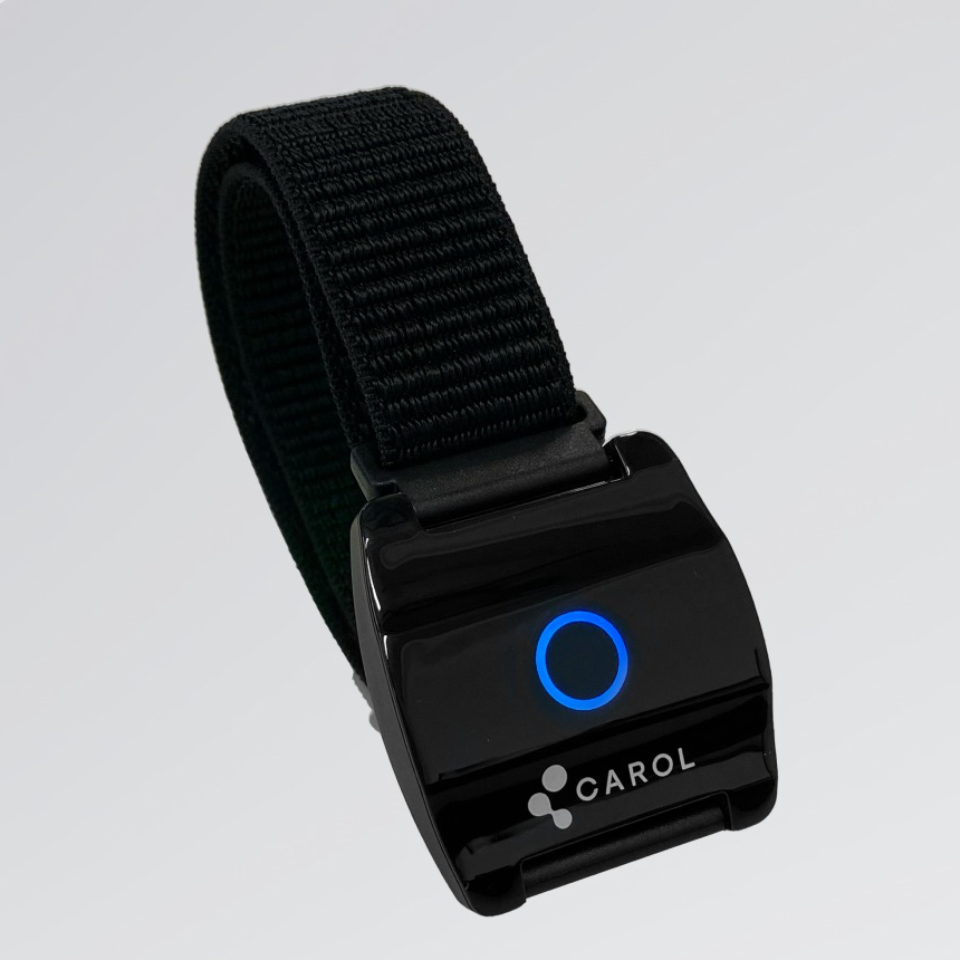
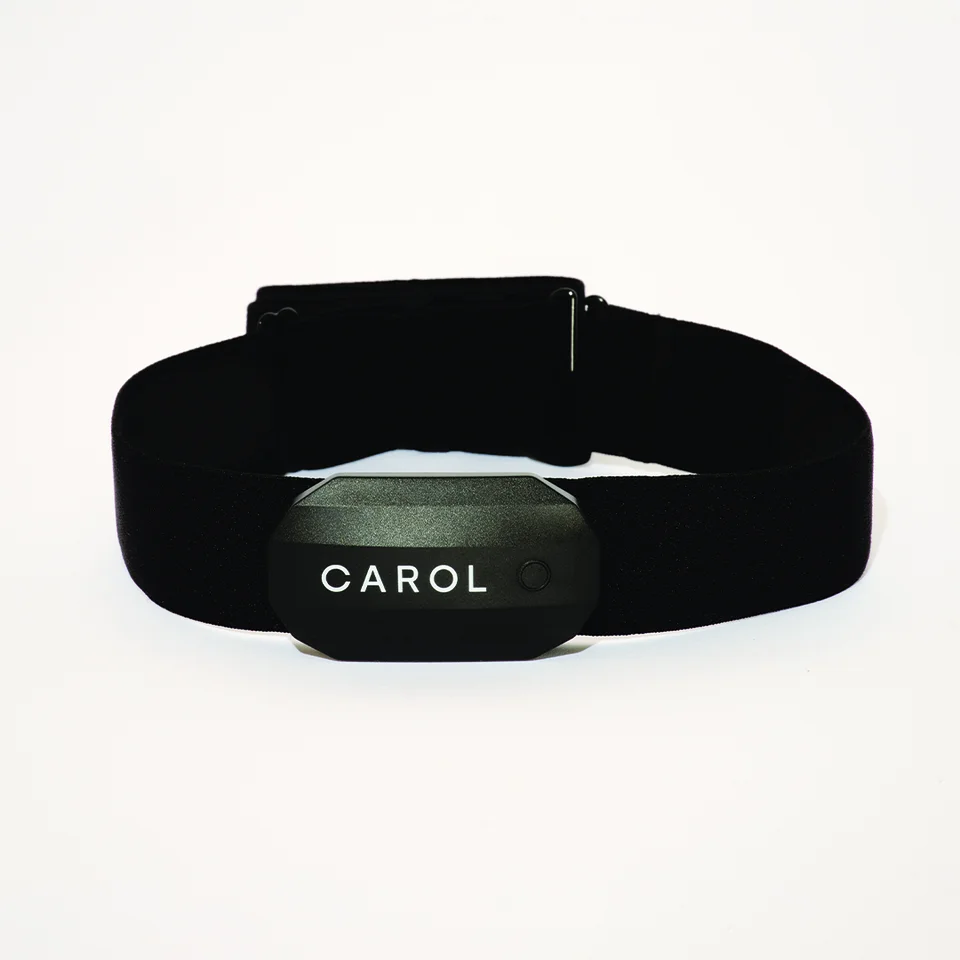
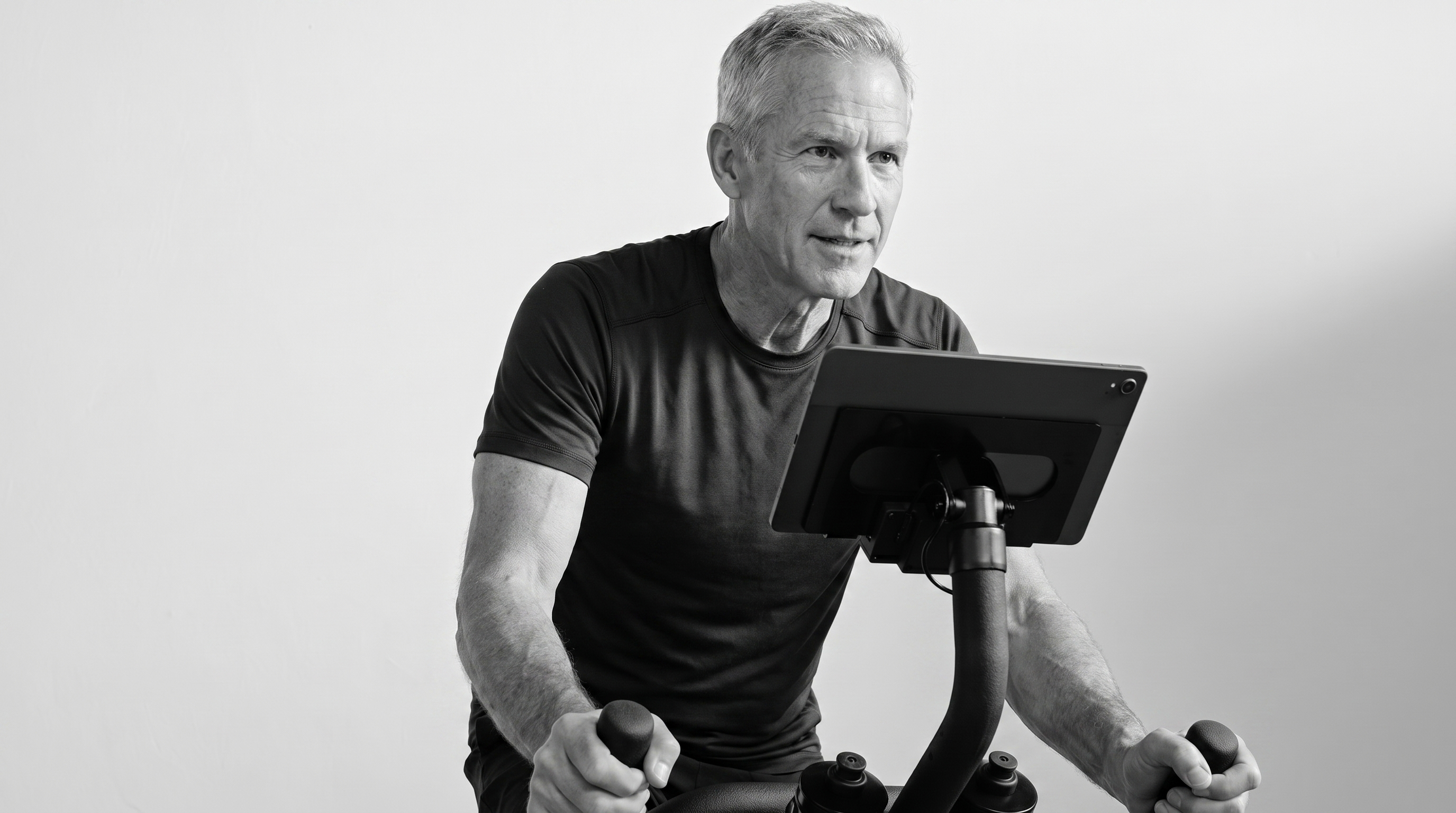
That is precisely what REHIT — Reduced Exertion High-Intensity Interval Training — is designed to do. CAROL’s five-minute REHIT ride uses two 20-second all-out sprints to trigger the physiological signal for VO₂max adaptation, at a fraction of the time cost of steady-state cardio. One limit of the evidence should be stated plainly: no trial has yet tested REHIT against an epigenetic clock. What the research currently supports is the chain rather than the endpoint — REHIT raises VO₂max, and VO₂max is what the biological age signal tracked.
The bottom line
Biological age is a useful frame built on an imprecise measurement. The clocks are real science, they predict mortality better than chronological age does, and at least one responds to six months of cycling training. But individual readings carry more error than a tidy number in years suggests, and no consumer test should be treated as a diagnosis.
The more reliable move is to train what the clocks appear to be measuring. Build your cardiorespiratory fitness, protect it as the decades pass, and the biological age question largely answers itself.